According to the CIPD’s 2024 analysis of ONS data, hospitality loses around 52% of its workforce a year, compared to 34% across the UK economy. While most of that churn is front-of-house and kitchen staff, the people who hold company cards, e.g. the general manager, head chef and bar manager, tend to stay longer.
That can mean finance overlook card control as a problem that turnover doesn’t touch. In practice it still has a big impact. The manager holds the card, but the changing team around them spends on it and knows the credentials.
In this article we’ll explore what can go wrong when high turnover meets shared cards, and how to issue cards so that a departure takes two minutes.
Stable cardholders, unstable spenders
When stocks or supplies are needed before or during a shift, it’s usually the person who needs that item who’s sent to quickly buy it. But as most of them don’t have a card, they use the manager’s, which lives in the till drawer with a PIN that gets passed around.
When the cardholder leaves finance is left with a card whose details have been shared, with no clear owner, and no way to tell from the statement who bought what. If they cancel it, the site can’t buy anything until a replacement arrives. But if they leave it running, nobody is accountable for it. Alternatively, the cardholder may stay for years but the card’s real users change often.
Why the drawer card and the managers-only card both break
There are two common card arrangements, and neither of them gives a card to each person who actually spends. The first is one shared card per site, handed to whoever is on shift, and the second is physical cards for managers only, handed back on their last day.
The issue with a shared card is that you never know who spent what because the statement simply says the card name against every line. And because the whole site relies on that one card, you can’t cut off a single person when they leave without cutting everyone off, so in practice it just keeps running.
The managers-only card has the opposite problem. Everyone below the manager still needs to buy things, so they borrow it anyway or pay with their own money and claim it back. Some of those claims will inevitably come from casual staff who have already left.
Ordering physical cards faster doesn’t help as each one has to be delivered, activated, stored and recovered, so nobody gives one to a runner. This is precisely why the manager’s card often ends up getting shared
What decides how hard a card is to switch off?
How hard a card is to switch off is decided when it’s issued, not when someone leaves. A card tied to a site or a drawer has no single owner, so there’s nothing clean to cancel. A card issued to one named person, for one purpose, can be switched off on its own without affecting anyone else.
Finance usually only gets involved at the exit, chasing the card and changing the PIN, by which point the options are limited. The decisions that matter are made at issue: who the card is for, what it’s for, and when it should stop working.
Issuing cards like logins saves the admin time
One of the most effective ways to save admin time is to treat a card the way you treat a login:
- Issue it to one named person
- Scope it when it’s created (a spending limit, an end date, a single purchase, a site or project)
- Switch it off the moment the person leaves
For that to work the card has to be virtual, cheap enough to give the runner for one cash-and-carry trip and to cancel without a second thought. Forgotten cards are then limited by the restrictions you set, and a departure simply means deactivating the card.
How this works in Moss, and where it stops
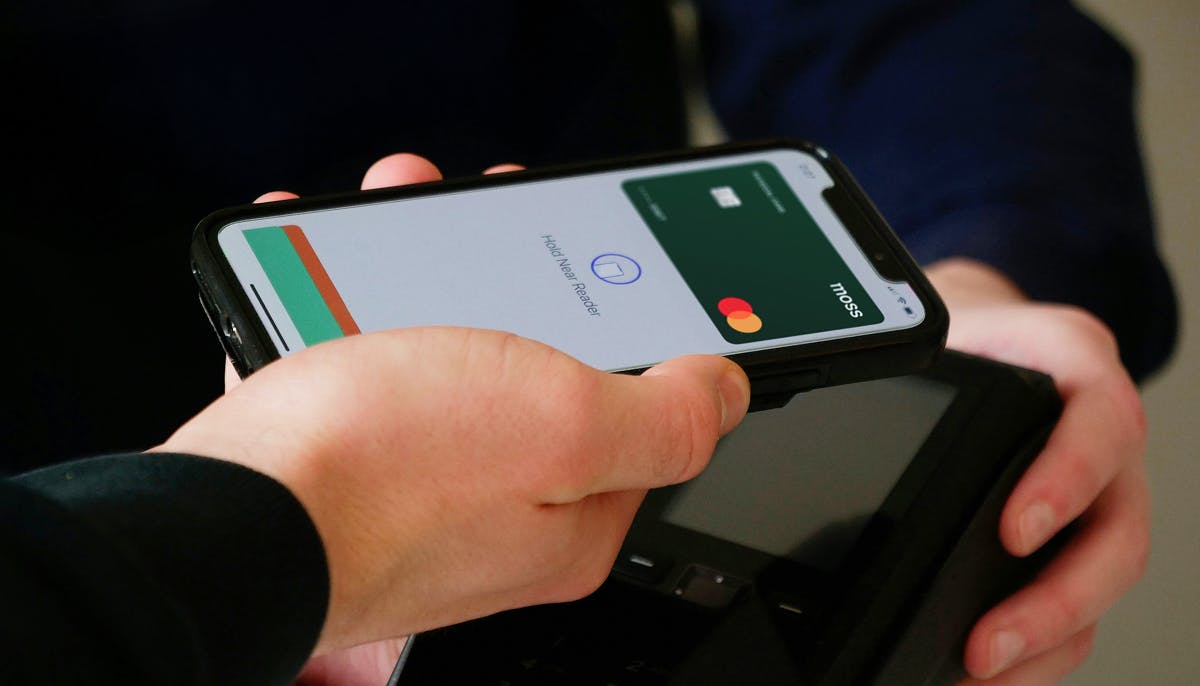
Moss issues virtual cards to a named individual, usable straight away online or through Apple Pay or Google Wallet in store.
Card types available through Moss include:
- Single-purchase cards that end after one use
- Project cards that end on a set date, such as a seasonal contract
- Recurring-limit cards for standing roles
- Physical cards for roles that need one
Admins can block or terminate any card instantly, and with the Advanced Controlling module, cards can also be restricted by merchant category and time of day.
Moss knows someone has left when you tell it or, if you connect your HRIS (Personio, HiBob, BambooHR and others), when the HR system does. When someone leaves your organisation, they are marked as a leaver and deactivated automatically, immediately or after a short grace period so their cards can be reassigned.
Casual staff who never enter the HR system still depend on your offboarding routine, which is why scoping matters. A single-purchase or date-limited card nobody cancelled can’t do much.
Turnover doesn’t have to be a card problem
High staff turnover is a fact of hospitality life, but it doesn’t have to mean constant card admin. When every card is issued to a named person, scoped to a purpose and an end date, and switched off the moment they leave, a departure stops being a scramble to find, freeze and reissue.
This turns churn into something finance can manage in the background, whether it’s a seasonal contract ending, a casual leaving after one shift, or a manager moving on. The card leaves when the person does, and nothing else at the site has to change.