In most care providers, a large share of the finance team's month goes on processing. That includes keying carer mileage and expense claims from paper, circulating spreadsheets for approval, printing supplier invoices for signature, and reconciling branch purchases made on personal cards.
The process is less than ideal, but it stays in place because it’s the way the work has always been done.
But it matters more now because every other cost is rising faster than fee income. Staffing is at least 75% of the cost of delivering homecare, and in some providers closer to 90%, and April's National Living Wage rise to £12.71 has lifted National Insurance, pension contributions and holiday pay along with it (Homecare Association). These are the largest costs in the business but finance has no say over them.
In this article we’ll cover the one cost that does sit inside the finance team's own remit: the hours it spends processing carer claims, supplier invoices and card spend.
Where the hours actually come from
Finance admin in a care business is usually treated as a fixed overhead, the cost of having a finance team of a given size. In practice it behaves more like a variable cost.
Every carer added to the rota generates mileage claims, receipts, timesheets and small purchases, all of which land on the finance desk. Add another branch and you add suppliers, add agency shifts and you add timesheets to be matched to invoices by hand.
In other words, the size of the care workforce sets how many transactions finance has to handle.
Why another pair of hands doesn't fix it
Typical responses to a finance team behind on admin are slower hiring, an outsourced or offshore bookkeeper, or a memo about being stricter with receipts. Needless to say, none of these are actually effective:
- A hiring freeze leaves the same volume with the same team, so it is handled more slowly and the backlog rolls into next month.
- Outsourcing moves the same transactions to someone else, who handles them the same number of times, with a hand-off added at each end.
- A stricter receipts policy adds a chase step, because the claims that were going to arrive incomplete still arrive incomplete, and now someone has to send them back.
None of them changes how many times each claim or invoice is handled. Finance can't cut the number of transactions, but it can cut the handling per transaction, and that is where the time goes.
How many times does one mileage claim get handled?
Take one carer's mileage claim and follow it from her car to your ledger:
- She writes it on a sheet.
- A coordinator checks it against the rota.
- A manager signs it.
- Someone in finance keys it into the spreadsheet and codes it to the right branch and cost centre.
- Someone reconciles it against the payroll run.
If the sheet is missing a date or a postcode, add a chase and a second pass.
Now do the same for the monthly care-planning software invoice. It arrives by email, gets printed, waits for a signature, gets keyed into the accounts package, gets matched to a purchase order if there is one, and gets filed. When teams map this out, most find five or more separate handlings per transaction.
Removing touches at source
Each touch you remove is finance time recovered, and it comes back regardless of what happens to wage rates, council fees or the rota.
Three changes do most of the work:
- Capture the transaction once, at the point it happens, on the carer's phone or at the moment of purchase, with the policy and the coding applied there rather than on a later check.
- Route the approval automatically to the manager who should be signing it, so nothing waits in a tray or an inbox.
- Export to the accounting system without re-entry, so the ledger receives the transaction as it was captured.
The rules and the team stay the same, a claim or invoice simply passes through fewer hands between origin and ledger, from five or six down to one or two.
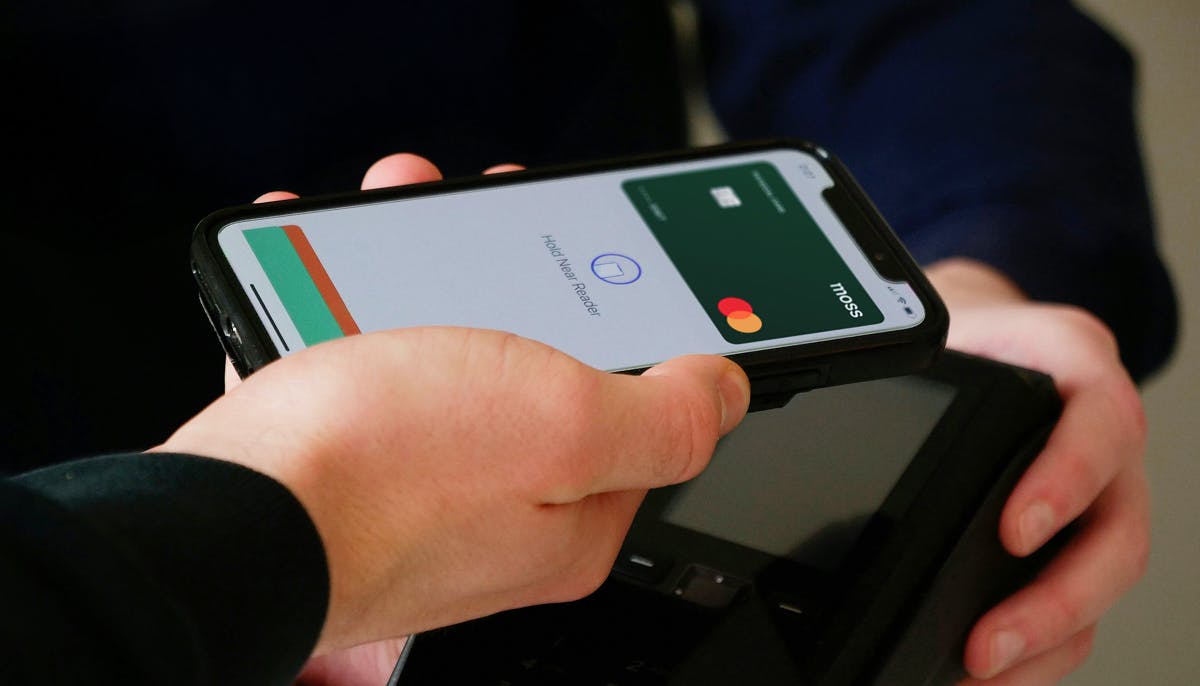
With Moss, carers submit mileage and expense claims from their phones with the provider's policy applied at the point of submission, supplier invoices route to the right approver and export to the accounting system without re-keying, and card purchases arrive already coded. This saves the finance team a significant amount of admin time each month.
What a lighter finance month looks like
When claims, invoices and card spend are captured once and approved as they happen, month-end becomes a review of transactions that arrived coded and approved during the month, rather than a build from paper and inboxes.
Three things to take from this:
- The finance admin load in a care business grows with the care workforce, so treating it as a fixed overhead hides the real driver.
- Adding people, outsourcing or tightening policy changes who does the handling or how strictly, but not how many times each transaction is handled.
- The number to track is touches per transaction. Map one mileage claim and one supplier invoice end to end, count the hands each passes through, and work on that number.